Monday, 5 June 2023

Exceval: Exploring the Applications and Advantages of Elvanol


Exceval, also known as Elvanol, is a brand of polyvinyl alcohol (PVA) that is renowned for its exceptional quality and versatility. Elvanol offers a wide range of applications across various industries, thanks to its unique properties. In this article, we will delve into the world of exceval and explore the advantages and diverse uses of Elvanol.

Elvanol, as a high-quality PVA product, is derived from the hydrolysis of polyvinyl acetate. This chemical transformation replaces the acetate groups with hydroxyl groups, resulting in a water-soluble polymer with excellent film-forming and adhesive properties.

One of the standout features of Elvanol is its film-forming ability. When Elvanol is dissolved in water, it forms a clear and flexible film upon drying. This film acts as a protective barrier, offering resistance to moisture, gases, and chemicals. The film-forming capability of Elvanol makes it highly valuable in applications such as coatings, adhesives, and films where a protective layer is essential.

Elvanol's adhesive properties make it a sought-after material in the production of adhesives and sealants. Elvanol can be mixed with other components to create water-based adhesives with excellent bonding capabilities. These adhesives are widely used in woodworking, paper packaging, and construction industries where strong and durable bonds are required.

Furthermore, Elvanol's water solubility is a significant advantage in various applications. Elvanol dissolves readily in water, allowing for easy handling and processing. This water solubility makes Elvanol a valuable ingredient in industries such as textiles, paper manufacturing, adhesives, coatings, and more.


Elvanol finds extensive use in the textile industry as a warp-sizing agent. It is applied to yarns during the weaving process to improve their strength and reduce friction between fibers. Elvanol forms a protective coating around the yarn, enhancing weaving performance and preventing breakage. Additionally, Elvanol acts as a lubricant, allowing smoother yarn movement during weaving.

Elvanol is also widely employed in the paper manufacturing industry. It is used as a surface sizing agent, enhancing the strength, smoothness, and printability of paper. The thin film formed by Elvanol improves the surface properties of the paper, providing resistance to water and chemicals. Moreover, Elvanol can be used as a binder for paper coatings, ensuring proper adhesion of pigments and additives.

Beyond textiles and paper, Elvanol has applications in various other sectors. In the construction industry, Elvanol is used as a cement additive to improve workability, adhesion, and flexibility. Elvanol helps enhance the performance of cement-based materials by improving their water retention, reducing shrinkage, and enhancing their resistance to cracks.


Elvanol is also utilized in the pharmaceutical industry as a binder in tablet formulations. By incorporating elvanol, powdered drugs can be compressed into solid tablets with excellent integrity and dissolution properties.

In conclusion, Exceval, or Elvanol, offers a multitude of advantages and applications as a high-quality polyvinyl alcohol (PVA) product. Its film-forming ability, adhesive properties, and water solubility make it highly desirable for applications in textiles, paper manufacturing, adhesives, coatings, and more. The versatility of Elvanol allows it to be tailored to meet specific requirements, ensuring optimal performance in various industries. As a trusted brand, Exceval continues to provide reliable solutions and foster innovation across different sectors.

Tuesday, 2 May 2023

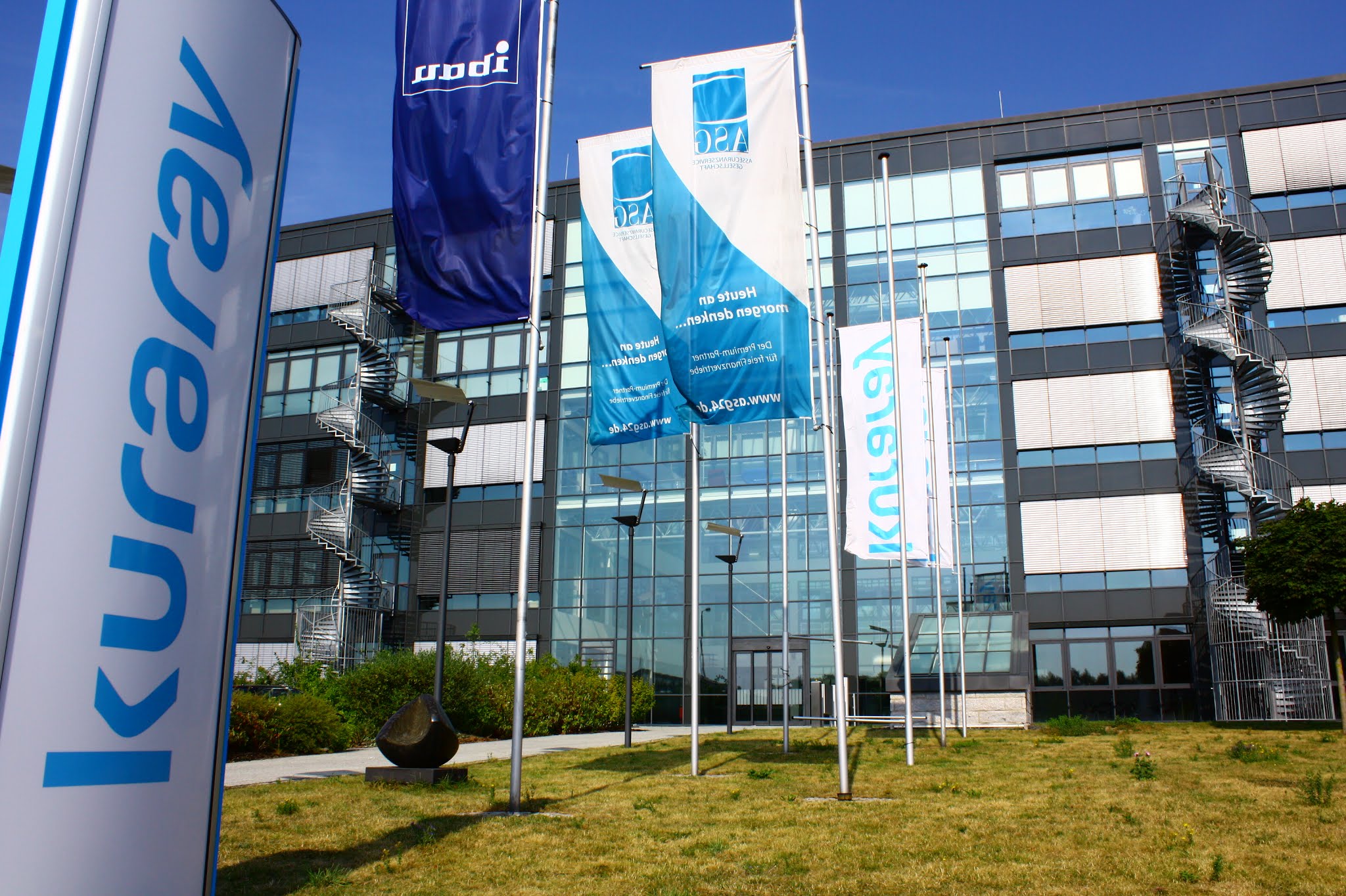
Kuraray Poval: Unlocking Possibilities with High-Quality PVOH


Polyvinyl alcohol (PVOH) is a versatile polymer with a wide range of applications across various industries. Kuraray, a renowned manufacturer, offers Kuraray Poval, a high-quality PVOH product that stands out for its exceptional properties and reliability. In this article, we will explore the benefits and applications of Kuraray Poval, highlighting its contribution to innovation and product development in diverse sectors.


  1. Superior Film-Forming Capabilities


Kuraray Poval is known for its excellent film-forming capabilities. When dissolved in water, it produces a transparent and flexible film with high tensile strength. This property makes it highly suitable for applications such as:

a. Packaging: Kuraray Poval films act as effective barriers against moisture, gases, and odors. They are widely used in food packaging, pharmaceutical packaging, and other industries that require reliable protection and preservation of products.

b. Textiles: Kuraray Poval is utilized in the textile industry for textile sizing and finishing applications. It imparts strength, smoothness, and wrinkle resistance to fabrics, enhancing their durability and performance.

c. Paper: Kuraray Poval is employed in the paper industry as a surface-sizing agent, providing improved printability, ink absorption, and dimensional stability to paper products.


  1. Adhesion and Binders


Kuraray Poval demonstrates excellent adhesive properties, making it an ideal choice for various bonding applications:

a. Adhesives: Kuraray Poval is widely used as a key component in water-based adhesives. It provides strong and reliable bonding for applications in industries such as woodworking, paper and packaging, and construction.

b. Construction: Kuraray Poval-based adhesives are employed in the construction industry for tile adhesion, mortar modification, and fiber-reinforced cement applications. They enhance the bonding strength and durability of construction materials.


  1. Controlled Release Systems


Kuraray Poval plays a significant role in the development of controlled release systems in various industries:

a. Agriculture: In the agricultural sector, Kuraray Poval is utilized in controlled release formulations for fertilizers and pesticides. It enables the gradual and controlled release of active ingredients, enhancing their efficiency and reducing environmental impact.

b. Personal Care: Kuraray Poval is used in personal care products such as detergents, cosmetics, and oral care. It helps in the controlled release of active ingredients, improving the product's performance and stability.


  1. Barrier Coatings


Kuraray Poval is employed as a barrier coating in different applications:

a. Paper and Packaging: Kuraray Poval-based barrier coatings are applied to paper and packaging materials to provide enhanced moisture resistance, oil resistance, and barrier properties. This extends the shelf life of products and protects them from external factors.

b. Electronics: Kuraray Poval coatings are used in electronics to provide moisture barrier properties, preventing the penetration of moisture and protecting sensitive electronic components.


  1. Commitment to Sustainability


Kuraray is committed to sustainability and eco-friendly practices. Kuraray Poval is produced using environmentally responsible manufacturing processes, and the product itself is biodegradable under specific conditions. This commitment to sustainability aligns with the growing demand for greener and more sustainable solutions in various industries.


Conclusion


Kuraray Poval, manufactured by Kuraray, offers exceptional properties and versatility as a high-quality PVOH product. Its film-forming capabilities, adhesive properties, controlled release systems, and barrier coatings contribute to innovation and advancements in industries such as packaging, textiles, construction, agriculture, and personal care. With a focus on quality, reliability, and sustainability, Kuraray Poval remains at the forefront of product development, providing solutions that meet the evolving needs of diverse industries.

Friday, 7 April 2023

Modified Polyvinyl Alcohol: Properties and Applications


Having antacids and alkaline materials, Zeolites are a unique group of minerals qualified in construction by their crystalline and hydrated aluminosilicates buildings. Their framework is based on a 3-dimensional framework structure of silica-oxygen tetrahedral (barrier films for food packaging). Arranged in a honeycomb network, the crystal structure is qualified with countless pores holding negative charges stabilized with cations such as calcium, magnesium, potassium, and salt.


There are around 40 various Zeolite kinds, and their occurrence depends on problems throughout the formation. Mines located in the North Island of New Zealand are renowned for manufacturing clinoptilolite, a significant variant in the zeolite group that is young and consists of unmatched absorption top qualities. Zeolites have been used for their unique homes for ionic absorption in many commercial applications.


Their large inner surface area permits them to take in fluids effectively, with the capacity to absorb approximately 70% of their weight as a fluid. These qualities make the zeolites ideal for soaking up odours, cations from wastewater and as a base for slow-release fertilizers. Zeolite granules, which can be customized to suit specific applications, are a perfect chemical carrier for insecticides, fungicides, chemicals, and commercial chemicals. The open crystal structure of the Zeolite integrated with high wetness holding ability and high cation exchange capacity allows the Zeolite to be made use of as an active carrier.


Because of these homes, zeolites have a lot of essential applications in modern chemical technology, with the series of use ever boosting. One of the crucial areas of application of zeolites is their use in heavy metal cations immobilization. All-natural zeolites are necessary aluminosilicates in absorption procedures because of their low cost as well as selectivity. In environmental applications, zeolites have been studied thoroughly to eliminate harmful materials from wastewater by absorption and ion exchange processes. Many toxic heavy metals and natural contaminants have been released into the environment as industrial wastes, creating severe soil and water pollution. Advanced therapy devices are vital in removing such pollutants, with absorption and ion exchange procedures being one of the most usual technologies utilized in innovative wastewater therapy.


Improvements in the provider impact of zeolites have developed brand-new business opportunities for the mineral, consisting of the development and manufacture of brand-new building and construction items and structure products, which have been successfully put on getting over construction troubles. China has become the largest customer of zeolites in modern society, with the most significant usage being used in concrete manufacturing. The unique residential properties of Zeolite as a carrier representative indicates that it can be made use of as a combined material in many of the cement plants to resolve production and use problems, such as quantity stability problems of set concrete.


Current research study has revealed that using Zeolite can prevent blood loss, partition, and delamination of fresh concrete so regarding make the pumping process much more accessible, reduce leaks in the structure of hardened concrete, improve resilience, boost concrete toughness, and reduce breaking brought on by shrinkage. In action to its successful application the cement industry, the growth of a variety of new building items are presently under examination utilizing the distinct qualities of Zeolite, as a carrier representative advertising the ion exchange and an absorption feature (modified polyvinyl alcohol), in an initiative to resolve existing issues in structure layout as well as construction.

Wednesday, 1 March 2023

Exploring the Properties and Applications of Polyvinyl Alcohol Powder


In recent years, there has been a growing demand for food packaging materials that can effectively protect the quality and freshness of food products. Barrier films are a type of packaging material that can provide an effective barrier against oxygen, moisture, and other environmental factors that can affect the quality of food products. In this article, we will explore the use of polyvinyl alcohol powder and the various types of barrier films available in the market.

Barrier films are used in food packaging to protect the quality and freshness of food products. These films are made from materials that have a high barrier to oxygen and moisture, which are the primary factors that contribute to the deterioration of food products. By creating a barrier against these factors, barrier films can help extend the shelf life of food products and maintain their quality and freshness.

One of the most commonly used barrier films in food packaging is polyethylene terephthalate (PET) film. PET film is a clear, flexible, and durable material that has excellent barrier properties against oxygen and moisture. PET film is commonly used in the packaging of carbonated drinks, juices, and other beverages, as well as in the packaging of snacks, confectioneries, and other food products.

Another popular barrier film for food packaging is polypropylene (PP) film. PP film is a clear, flexible, and lightweight material that has good barrier properties against moisture and other environmental factors. PP film is commonly used in the packaging of fresh produce, baked goods, and snack foods.


Polyvinylidene chloride (PVDC) film is another type of barrier film that is widely used in food packaging. PVDC film has excellent barrier properties against oxygen and moisture and is commonly used in the packaging of meat, cheese, and other perishable food products.

In addition to these materials, there are also newer types of barrier films that have been developed in recent years. For example, ethylene vinyl alcohol (EVOH) film is a high-barrier material that has excellent oxygen barrier properties. EVOH film is commonly used in the packaging of processed meats, cheeses, and other perishable food products.

Nano-composite films are another type of barrier film that has gained popularity in recent years. These films are made from a combination of materials, including polymers and inorganic nanoparticles, and have excellent barrier properties against oxygen, moisture, and other environmental factors. Nano-composite films are commonly used in the packaging of high-value food products, such as premium chocolates and gourmet snacks.

In conclusion, barrier films are an essential component of food packaging, helping to protect the quality and freshness of food products. PET, PP, PVDC, EVOH, and nano-composite films are some of the most commonly used barrier films for food packaging , each with its own unique properties and characteristics. With the growing demand for food products that are both safe and high-quality, the use of barrier films in food packaging is likely to continue to grow in the coming years.

Saturday, 4 February 2023

Inspirational Graphics About Ghosenol


Poly binders are cheap and durable.  Binders generated from polyethylene and polypropylene can also be called "Poly" binders.  Polyethylene is a more common and less costly material than polypropylene.  Polypropylene is a more elastic material than polyethylene.


What's Polyethylene?  Here is the polymer which produces grocery bags, shampoo bottles, children's toys, and even bulletproof vests.  For such a flexible material, it has a straightforward production, the easiest of commercial polymers (ghosenol).  A molecule of polyethylene is not anything more than a very long string of carbon atoms, with two hydrogen atoms attached to every carbon atom.


What is Polypropylene


Polypropylene is a cheap material that delivers a mixture of exceptional physical, mechanical, chemical, thermal and electric properties not located in any other thermoplastic.  In comparison with low or higher density polyethylene, it's a lesser impact power, however, preferred working temperature and electrical power.


Polypropylene possesses excellent resistance to degreasing agents, electrolytic attack, and organic solvents.  It's light in weight, resistant to rust, also has a meagre moisture absorption rate.  This is a hard, heat-resistant, semi-rigid substance, perfect for the transport of warm liquids or gases.


Poly binders are produced by die cutting on the poly material to the form and size required. A cutting die blows merely off the poly to the necessary form and size, and the substance is scored to create hinges.  Poly binders could be produced out of clear pockets, label holders, and business card holders.  The binders' closures are "O" Ring, "D" Ring, Slanted "D" Ring, and Square Ring.


Polyethylene binders are incredibly durable, making them perfect for industrial uses.  Polyethylene binders are available in many different thicknesses or gauges, beginning with a slender, elastic .023ga, and moving all of the ways till a thick, stiff .110 Ga.  Polyethylene comes in several distinct colours and textures (some more compressed indicators have restricted colours/textures) such as matte, soft beat, white, black, natural, royal blue, maroon, medium blue, emerald green, grey, red, orange, blue, ivory, green, beige, yellow and purple.


Polypropylene also comes in several textures and tints.  Polypropylene is extremely popular for creating transparent binders.  Polypropylene binders are most frequently manufactured in .020ga, .030ga, or .045ga thicknesses. A polypropylene binder is very durable and will not tear or crack.


Flexible, lightweight and exceptionally durable, poly binders are excellent for indoor and outdoor use.  They're also perfect for industrial environments; since they could withstand extreme temperatures and demanding treatment in addition to resist oil, water, dirt, and dust.


For more information on the polyvinyl alcohol powder visit the website kuraray-poval.com.

Saturday, 31 December 2022

3D printing details


3D printing is making 3-dimensional solid objects from a digital file. It is accomplished using various additive processes, where layers of material are laid down in varied shapes. 3D printing is used in many industries and enables the production of objects with complex geometries that are not easily made using traditional manufacturing methods. To produce a 3D-printed object, unique 3D printing materials (polyvinyl alcohol filament), such as plastic, metal, or ceramic, are used. These materials must be heated and then extruded in layers onto a platform. Each layer is then bonded together to create a solid object. 3D printing makes many things, such as jewellery, toys, and food.


3D printing components consist of the following parts:


•A computer-aided design (CAD) file which contains the design of the object being printed

•A 3D printer which includes the hardware and software necessary to translate the CAD file into a 3D-printed object

•Filaments which are plastic or metal wires that are used in the 3D printing process (PVA)

•A build plate which is the surface on which the layers of the 3D-printed object are created

•Print head, which is responsible for laying down the filament on the build plate

•Support structures which are removable structures that are used to support the object while it is being printed

•A post-processing platform which includes tools for cleaning up the object and making any necessary modifications

•A curing station is used to cure the object after printing it.


Two cents on 3D printing  


3D printing is an advent technology that has the scope to revolutionize the way we create and manufacture products. 3D printing can enable faster production cycles, reduce production costs, and enable the production of highly customized products. It can also reduce waste and allow the production of products that are made up of fewer parts, making them easier to assemble and maintain. 


However, some challenges still need to be addressed, such as the cost of 3D printers, the time it takes to produce a product, and the need for more complex designs. It will be interesting to see how 3D printing continues to evolve and how it may shape the future of manufacturing.


Wednesday, 30 November 2022

Making use of the security gloves for much better protection


Safety and protection are the concern of people and a natural response educated by the Almighty to living points. Progression brought a selection of occupations with it and also to satisfy the safety measures for the occupations information devices and garments is developed. Handwear covers are found back in the problems and traces located in Egypt. Considering that they are first made, they utilize covering hands to prevent their exposure to possible issues. Mainly, they are being used for health and avoiding warmth and cuts while handling items. Before picking a safety and safety and security handwear cover for a job, one must evaluate the deal's risk with skilful experts.


Hands are the often used organs for work and call for utmost defence (using Polyvinyl alcohol) when they connect with looking after products having the prospective danger of damages. Some regulations bind the company to give its staff members personal defence devices throughout their work. The feeling of defence in a workplace raises the efficiency of workers. Preventative measures and tools are vital to get over the dangers of a task to do well.


There is a collection of security and protection gloves according to the needs of various professions. Mittens used in cooking to select and lug hot dishes are warmth immune. Several products are used to make cooking mittens. Staff members of the chemical market need to need safety and security for their most utilized arm or legs which matches the needs of the job. Chemical burns, skin irritation, and allergy are practical troubles to the hands of chemical market labourers. Frequently PVC, rubber, neoprene, Norfolk, Nitrile, plastic, and polyvinyl alcohol products are utilized to create hand therapies for chemical handling. These numerous products supply resistance versus the problems of various chemical handling. Cozy immune handwear covers are made from aluminized fabrics in the steel market, where liquified metals are handled. Chemical immune sleeves with handwear covers are also placed on when packing or unloading chemicals is executed.


There are unique hand treatments for trash handling and cultivation called rigger gloves. They are mainly made thick and a little bit hefty. To maintain healthy, protection clothing is utilized to develop functional products in the clinical area. Employees handling sharp edge tools and short articles throughout their job use metal mesh handwear covers to stay clear of mishaps. Expert electrical motorcycle bikers, cars and trucks, and truck drivers use all-natural leather handwear covers and different other therapies for multiple parts of their bodies to minimize injuries in case of problems. Disposable handwear covers are made use of to remain safe and secure from the opportunity of catching mild hazardous irritants. These are made of lightweight artificial plastic.


A detailed hand covering is continuously required for the employees' wellness for the defence of hands.


To stay free from a severe hand injury, comply with secure job methods whatsoever times. Before making use of devices along with devices, assess the manufacturer's guidelines for risk-free use. Usage lockouts: appropriately used, these maintain tools from relocating when you are doing maintenance and adjustments. Usage press sticks, tongs, and various other devices enable you to handle materials without disclosing your hands to guide contact with moving devices or unsafe chemicals. See to it equipment guards stay in place before running machines.


For more details concerning polyvinyl alcohol filament, see Kuraray-poval.com.